11 Ways To Completely Redesign Your Indoor Pellet Stove
An Indoor Pellet Stove Requires Proper Installation and Maintenance A pellet stove can provide supplemental heat and help reduce your electric bill. To ensure safety it requires regular maintenance and cleaning. Pellets are placed first in the stove's hopper. The hopper holds the fuel until the auger pushes them into the combustion chamber. Hopper capacities vary from 40 to 120 pounds. Energy efficiency The type and quality pellets used will determine the energy efficiency of the stove. Pellets are small cylinders comprised from compressed sawdust or other wood-based materials. They provide a renewable, environmentally friendly alternative to heating your home. Pellets with high-quality and low dust generally burn more hot, and for longer than pellets of lesser quality. This produces more heat with less waste. Pellet stoves don't require chimneys and can be installed in homes that don't have a chimney, but they require a double-walled venting system that meets local codes and regulations. Like gas stoves, pellet stoves use blowers to distribute air and aid the burner to ignite the pellets. A combustion blower introduces air into the burner to ensure the flame burns efficiently and also forces exhaust gases to escape from the vent. Many manufacturers offer air intake blowers that bring air from outside to ignite and help maintain healthy indoor air. Similar to other kinds of wood fireplaces, pellet stoves require a source of electricity to run their controls as well as the fans and augers which feed the pellets into the burner. This dependency on power may cause them to be vulnerable to a power outage and requires a backup electric source for secure operation. Wood pellet stoves release very little flue gas, which means they don't require chimneys to draft. They can be vented horizontally via an exterior wall or vertically through the roof. The absence of a chimney permits you to install the stove in areas that gas stoves are not permitted due to the location of gas lines. For instance, in a converted basement or garage. To keep exhaust fumes from entering your living area, the venting system of pellet stoves requires a double-walled pipe that has been certified. The pipe is a diameter of 3-4 inches. Most manufacturers recommend a vertical rise of 3 to 5 feet (0.91 m to 1.52 m) but you can also use horizontal pipes in certain situations. It is essential to keep a stove clean in order to maintain its performance and safety. Cleaning the ash pan as well as the combustion blower is important to prevent the accumulation of creosote flammable deposits. To aid in this job an ash vacuum is available. It's like a regular shop vacuum, but is designed to get rid of the ash and debris. Convenience Pellet stoves provide convenient heating for indoor use at the touch of the button. They burn cleaner than wood and release less harmful particles into the air. They are also more compact than traditional wood-burning fire places making them a good choice for homes that have small outdoor storage space. These stoves can be combined with a thermostat, which allows homeowners to control the temperature from any location using the smartphone or computer. Similar to other appliances that burn fuel pellet stoves require regular maintenance to function at maximum efficiency. The hopper of the stove and the ash pan must be cleaned frequently to avoid buildup. The flue vent is also cleaned monthly to minimize soot. Additionally, a backup power source is recommended to ensure uninterrupted operation in the event of a power failure. Unlike wood burning stoves, which typically require regular splitting and stacking of firewood, pellet stoves work using an automated system that requires the pouring of pre-packaged pellets into the fuel hopper. The auger then introduces the pellets into the combustion chamber, which then it ignites them using an electric ignition mechanism. The resulting flames are used to heat a home while circulating hot air in the room. 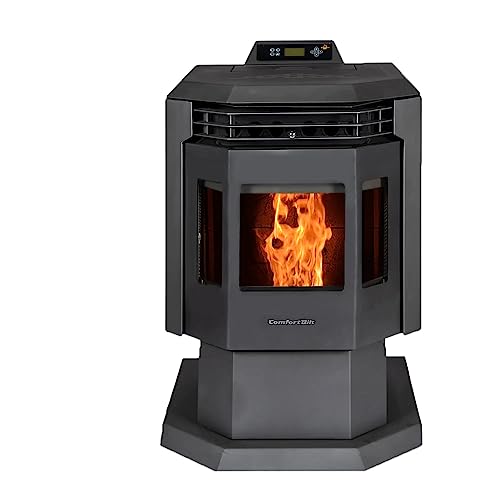 Some models feature an Energy Efficiency Rating that is EPA-certified as high which means they generate significantly more heat for each unit of fossil fuel used. Apart from increasing comfort in the home, this level of efficiency can reduce costs for energy and greenhouse gas emissions. The cost of operating a pellet stove may fluctuate depending on several factors, such as the location, prices for pellets and availability, as well as the frequency of use. But, when compared to other forms of heating in homes, pellet stoves are often more affordable and provide greater comfort and convenience. Pellet stoves are more expensive upfront than other heating alternatives. However, their low maintenance and operating costs can help homeowners save money over the course of. They also require less chimney inspections and offer an energy source that is more consistent than wood-burning stoves. In order to ensure optimal performance, pellet stoves should be used with a manufacturer-recommended brand of fuel. Incorrect fuels can harm the appliance, lead to costly repairs, and reduce the stove's lifespan by affecting its overall operation. Additionally, it is advisable to empty the hopper and remove the clinker that has accumulated from the bottom of the burner every day or on a weekly basis, as required, as well as regularly cleaning the burn pot and the flue vent. cheap pellet stoves Like any major appliance in the home pellet stoves require regular maintenance to ensure safe and proper operation. Responsible maintenance will minimize the chance of unexpected issues, allowing you to enjoy a comfortable and efficient heating throughout the winter. By keeping up-to-date with specifics like creosote and rust buildup to avoid costly repairs and extend the life of your pellet stove. A few essential cleaning products and procedures are needed to clean the stove. Weekly routines include emptying the ashpan, scraping the burner and wiping the glass window. You may also wish to buy an ash vacuum cleaner for better and more thorough cleaning. The quality of the pellets used can be a major factor in the performance of the stove. The most efficient pellets are more consistent in burning producing less ash, and reducing the frequency of cleaning requirements. Avoid low-quality pellets since they typically contain fillers that can cause poor combustion and excessive ash production. A heat exchanger is at the heart of a pellet stove, because it converts the burning of wood pellets into clean hot air for distribution throughout your home. A dirty heat transfer could lower the efficiency of heating and can cause security issues. A trained technician can conduct an inspection and vacuuming the heat exchanger. It is crucial to properly store wood pellets to ensure the proper maintenance of pellet stoves. Keep them away from concrete floors since this could let moisture in. Use pallets or a raised surface to keep the pellets off the ground. This helps preserve the solidity of the pellets as well as ensures they're dry when you are ready to use them. It is recommended that you have your pellet stove professionally cleaned at the beginning and the end of each heating season. The frequency of professional cleanings will depend on the frequency of use for your pellet stove and the amount creosote that has build up. Aside from scheduled cleanings, a qualified technician will inspect the unit to spot any potential issues and address them promptly. For instance, if you observe a slow, burning flame that is orange or sooty, this is an indication that the burn pot's air intakes are blocked. A professional will also inspect the vent system for proper installation and repair. They will also replace or lubricate any worn or corroded part. Safety Pellet stoves generate heat through burning small pellets of compressed sawdust, wood waste and other natural materials. The pellets are then blown out of a venting system that exits outside the home. They are energy efficient and can heat a room quickly. But, as with any appliances that are combustible, they need proper installation and maintenance to keep them safe from fire and other hazards. The appliances come with limit switches, just like boilers and furnaces. If something happens to the pellet stove the limits are designed to prevent it from operating outside the intended parameters. The stove will shut off automatically if a problem occurs to avoid injury or damage to people or pets. In addition to these limit switches, these devices also have fans that blow out exhaust to ensure proper combustion and stop carbon monoxide (CO) production. Carbon monoxide, a colorless and odorless gas, can be fatal if inhaled. If the CO levels in a house are excessively high, carbon monoxide detectors can aid in identifying an issue that could be brewing. The first step in keeping your stove safe from fire is to adhere to the manufacturer's guidelines in setting up and sizing the venting system. A metal vent pipe extends from the stove through a pre-cut wall hole and exits the home via a wall cap. Another important safety precaution is to keep this space free of obstructions and keep flammable items out from the venting systems. It is recommended that you get your pellet stove inspected by a professional each year. The technician will then evaluate the condition of each of the components, from the hopper up to the pressure switches. If the stove is showing signs of wear and tear or is not performing efficiently, the technician will recommend any necessary repairs or replacements. Certain people are more susceptible to the health risks that come with with pellet stoves, especially those with respiratory conditions that are pre-existing, young children, and older adults. Regular health checks are recommended for those who use pellet stoves to monitor their respiratory health.